SEO vs PPC: Which Should You Invest In First?
- ravi
- Marketing
It is one of the most common questions in digital marketing, and also one of the most debated: should you invest in SEO or PPC first?
Both channels drive traffic. Both can generate leads and sales. But they work in completely different ways, on different timelines, at different costs, and with very different long-term outcomes. Getting this decision wrong means spending months and budget on the wrong thing for where your business actually is right now.
This guide lays out exactly how SEO and PPC work, what the data says about their ROI, and how to decide which one deserves your investment first, based on your goals, your timeline, and where your business is in its growth.
What Is SEO?
SEO, or Search Engine Optimization, is the process of improving your website and content so that it ranks higher in organic, unpaid search results. When someone types a query into Google and clicks a result that is not an ad, that is organic traffic, and SEO is what earns it.
The core components of SEO are:
On-page optimization: Making sure each page targets the right keywords, has clear heading structure, well-written content, and proper meta tags.
Technical SEO: Ensuring your website is fast, crawlable, mobile-friendly, and free of errors that prevent search engines from indexing it properly.
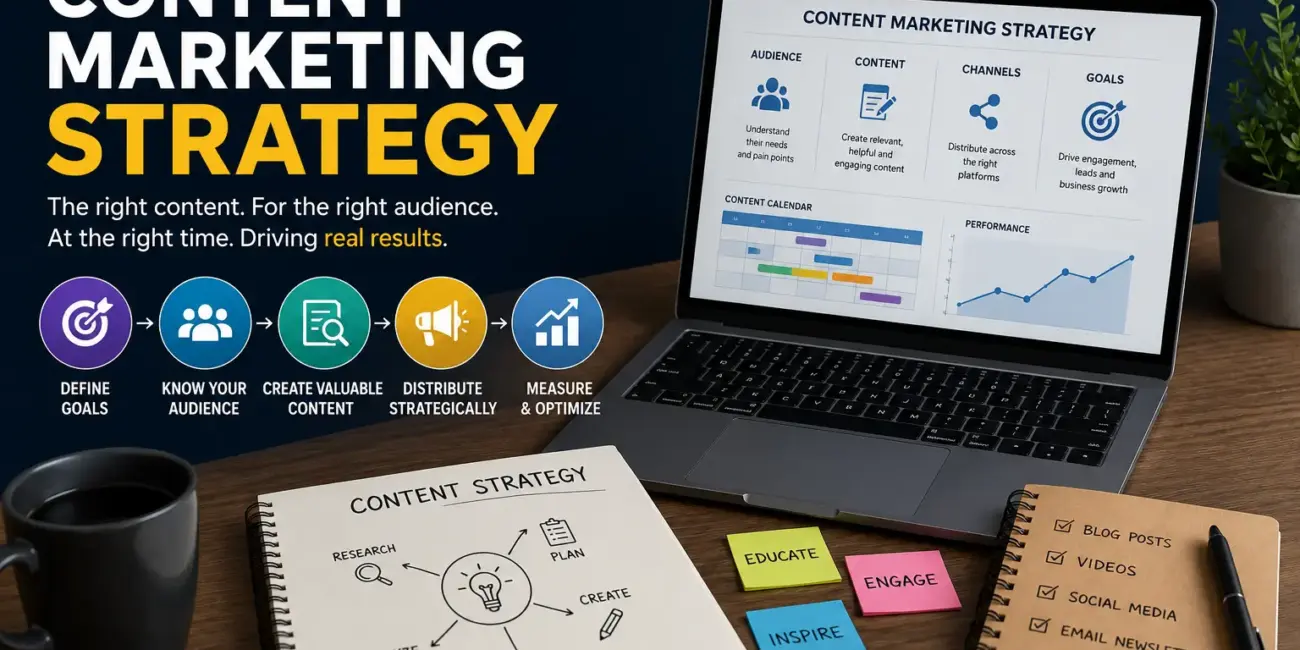
Content marketing: Publishing articles, guides, and resources that answer your audience’s questions and build your topical authority over time.
Link building: Earning backlinks from reputable external websites, which signal to search engines that your content is trustworthy and worth ranking.
SEO does not cost money per click. Its cost is in the time, expertise, and content investment required to build rankings. The payoff is traffic that continues flowing to your site long after the initial work is done.
What Is PPC?
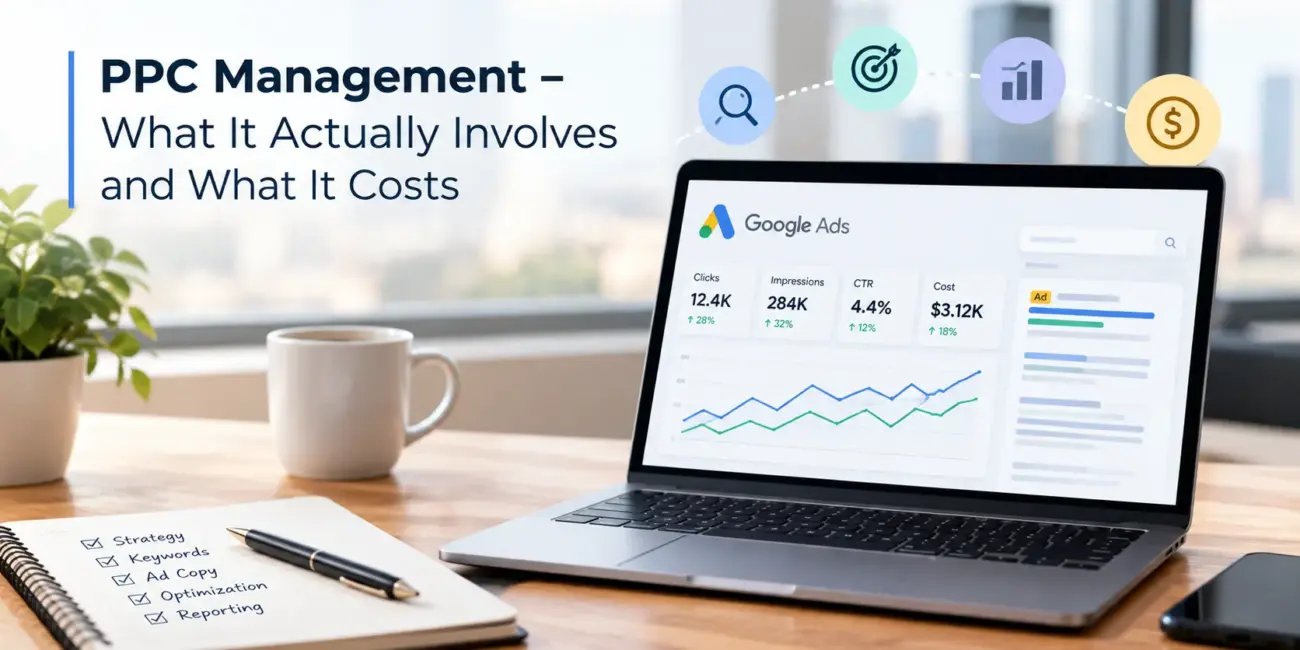
PPC, or Pay-Per-Click advertising, is a model where you pay to appear at the top of search results or across digital platforms. You only pay when someone clicks your ad.
The most common PPC channel is Google Ads, where brands bid on keywords to appear above the organic results. Beyond search, PPC also covers Meta Ads (Facebook and Instagram), LinkedIn Ads, and TikTok Ads, each with its own audience and cost structure.
PPC delivers results immediately. The day your campaign goes live, your brand can appear at the top of search results for any keyword you are willing to bid on. The tradeoff is that this visibility stops the moment you stop paying.
According to platform benchmarks compiled by Nine Peaks Media, average cost-per-click ranges from around $1.81 on Google Ads to $3.18 on LinkedIn Ads, with highly competitive industries like legal and insurance reaching $50 or more per click.
SEO vs PPC: The Core Differences
Understanding these two channels comes down to five dimensions that matter most for budget decisions.
Speed: PPC delivers traffic immediately. SEO typically takes 3 to 6 months before meaningful rankings appear, and 12 months or more before compounding returns kick in.
Cost structure: PPC costs money with every click, every day, indefinitely. SEO has upfront costs in content and technical work, but once rankings are established, traffic arrives without an ongoing per-click cost.
Longevity: PPC traffic stops the moment the budget stops. A well-ranked SEO page can continue generating traffic for years with minimal additional investment.
Trust and credibility: Studies consistently show that users trust organic results more than paid ads. Clicks on organic results reflect an earned position; clicks on ads are a purchased one.
Control and targeting: PPC gives you precise control over who sees your ads, when, and on what device. You can target specific demographics, locations, income levels, behaviors, and even time of day. SEO cannot offer that granularity.
What the ROI Data Actually Shows
The long-term ROI case for SEO is strong. Research from Nine Peaks Media puts the minimum ROI for SEO at 500% over a 6 to 12 month period, with returns compounding significantly in years two and three. Organic leads convert at a 14.6% rate compared to 1.7% from traditional outbound methods, according to the same data.
PPC ROI is more immediate but more linear. The commonly cited benchmark is roughly $2 returned for every $1 spent on Google Ads, which represents a 200% ROI. That is a solid return, but unlike SEO, it does not compound. When the budget stops, the returns stop.
Greenlane Marketing data points to organic search driving over 53% of all website traffic, compared to roughly 15% from paid search. Organic is the larger channel by volume for most businesses, but PPC captures a disproportionately high percentage of high-intent clicks at the moment someone is ready to convert.
The honest read on this data: SEO wins on long-term ROI. PPC wins on speed, targeting precision, and immediate visibility.
When You Should Invest in SEO First
SEO is the right first investment when your primary goal is sustainable, compounding growth over time.
Invest in SEO first if:
You have a limited or fixed marketing budget. If there is no budget to maintain ongoing ad spend month after month, PPC is not viable long-term. SEO builds an asset that keeps delivering value even after the initial investment.
You operate in a content-heavy or research-driven industry. If your customers spend time researching before they buy, being present in organic search throughout that research phase is enormously valuable. SEO builds that presence.
You want to establish authority and trust. Ranking organically for terms in your category signals credibility. Being consistently present in search results trains potential customers to associate your brand with the topic before they are ready to buy.
You are building a long-term business, not just a short-term campaign. SEO is the foundation of a durable online presence. Brands that invest in it consistently build a compounding advantage over competitors who rely on paid traffic alone.
Your product or service is something people are actively searching for. If there is existing demand you can capture through search, SEO is the most cost-efficient way to reach it over time.
When You Should Invest in PPC First
PPC is the right first investment when speed, precision, and immediate revenue matter more than long-term compounding.
Invest in PPC first if:
You are a new business that needs leads now. SEO takes months to build. If you cannot wait for organic rankings and need to generate pipeline immediately, PPC puts you in front of buyers today.
You are launching a new product, service, or promotion. Time-sensitive campaigns need immediate visibility. PPC delivers it. SEO cannot.
You want to test your messaging and keywords before committing to SEO. PPC gives you fast, data-rich feedback on which keywords convert, which messaging resonates, and which landing pages perform. That intelligence makes your subsequent SEO investment sharper and more efficient.
You are in a highly competitive market where organic rankings will take years to achieve. Some industries have entrenched organic competitors that are nearly impossible to displace quickly. PPC lets you compete for visibility in the meantime.
You need to target a very specific audience segment. SEO cannot target by income, job title, or behavior. PPC can. For businesses with a narrow, high-value target audience, paid advertising often delivers better qualified leads.
The Case for Running Both Together
The SEO vs PPC question is often framed as a binary choice, but the strongest digital marketing strategies typically use both channels in a deliberate sequence.
A proven approach for growing businesses looks like this:
Start with PPC to generate immediate traffic and gather data. Run paid campaigns against your key target keywords. Identify which terms convert, which ads generate the best click-through rates, and which landing pages perform. Build early revenue and proof of concept.
Use PPC data to inform your SEO content strategy. The keywords that convert in PPC are the ones worth building SEO content around. You are not guessing at what your audience wants; you already have evidence.
Build SEO in parallel to reduce paid dependency over time. As your organic rankings improve for high-performing terms, you can reduce ad spend on those keywords and redirect budget to new targets. Over time, your cost-per-acquisition from organic drops, and your blended marketing efficiency improves.
Use PPC for time-sensitive campaigns and SEO for always-on visibility. Seasonal promotions, product launches, and competitive situations where you need to outrank a competitor quickly still call for PPC. Evergreen content, category authority, and long-term traffic all come from SEO.
Nine Peaks Media research suggests many businesses start with a 70/30 or 60/40 budget split toward PPC, then shift the balance toward SEO as organic rankings build. This approach lets you generate early returns while building long-term assets simultaneously.
How to Decide: A Simple Framework
If you are still not sure which to prioritize, work through these four questions:
What is your timeline? If you need results within 30 to 90 days, PPC is your only viable option. If you can invest for 6 to 12 months, SEO belongs in the mix.
What is your budget? If you have a consistent monthly budget to maintain ad spend, PPC works. If your budget is one-time or limited, SEO builds longer-lasting value from a single investment.
What are you trying to achieve? Brand building, category authority, and long-term traffic belong to SEO. Immediate leads, event promotion, and precise audience targeting belong to PPC.
What does your competitive landscape look like? In markets where organic rankings are achievable in a reasonable timeframe, SEO delivers outsized returns. In markets dominated by well-funded organic competitors, PPC may be the only realistic route to front-page visibility in the near term.
Most businesses will benefit from both. The question is which to prioritize now, given where you are and what you need.
SEO, PPC, and the AI Search Factor
One dimension that is reshaping this decision in 2026 is the rise of AI-powered search. Google’s AI Overviews, Perplexity, ChatGPT Search, and Gemini are all synthesizing answers from content across the web, increasingly presenting information directly rather than sending users to websites.
This has implications for both channels:
For SEO, the priority is shifting toward content that answers specific questions clearly and completely, so that AI systems cite your brand and send traffic your way. Authority, factual depth, and clear structure matter more than keyword density.
For PPC, AI-driven bidding strategies on Google Ads and Meta are now standard, automating the optimization work that previously required significant manual expertise. The barrier to running efficient PPC campaigns has dropped.
Both channels remain valuable in the age of AI search. But the brands that will win long-term are those building real authority through content, because AI systems cite authoritative sources, not just well-funded advertisers.
What SPEEDXMEDIA Recommends
There is no single right answer to the SEO vs PPC question. The right answer is the one that fits your business’s current stage, goals, budget, and timeline.
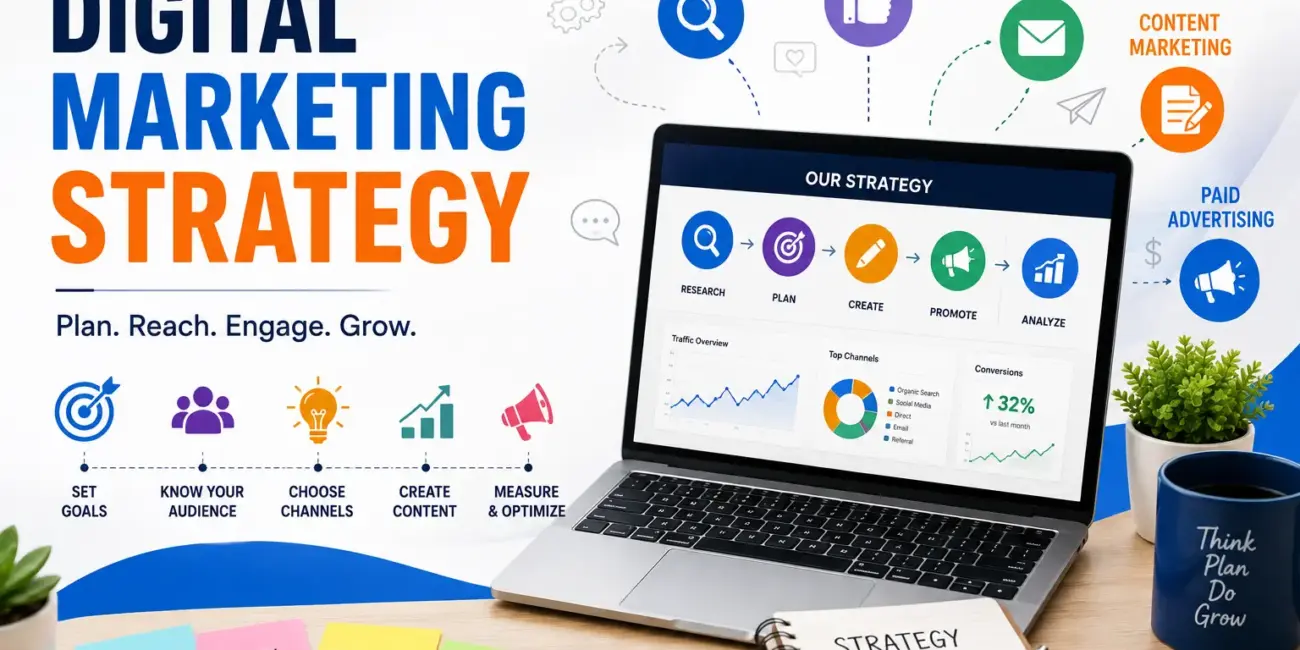
What we see consistently: businesses that invest in both channels, with a clear strategy for how they complement each other, outperform businesses that go all-in on one or the other. PPC provides the early wins and data. SEO builds the durable foundation that makes the whole strategy more efficient over time.
SPEEDXMEDIA offers both SEO and PPC services, along with the strategy layer that ties them together. If you want help working out the right allocation for your business, let’s talk.
Should I do SEO or PPC first?
It depends on your timeline and budget. If you need traffic and leads within the next 30 to 90 days, PPC is the right starting point. If you can invest for 6 to 12 months and want compounding long-term returns, SEO should be part of your strategy from the beginning. Most growing businesses benefit from starting with PPC to generate early data and revenue, while building SEO in parallel.
Is SEO better than PPC?
Neither is universally better. SEO delivers higher long-term ROI and builds compounding organic traffic over time. PPC delivers faster results with precise audience targeting. The strongest digital marketing strategies use both, with the budget split shifting toward SEO as organic rankings mature.
How long does SEO take to show results?
Most businesses begin seeing meaningful organic traffic improvements within 3 to 6 months of consistent SEO investment. Significant compounding returns typically become visible in the 12 to 24 month range, depending on the competitiveness of the market and the quality of the work.
How much does PPC cost?
PPC costs vary significantly by industry and platform. Average cost-per-click on Google Ads is around $1.81, but competitive industries like legal, finance, and insurance can see CPCs above $50. Most businesses also pay management fees on top of ad spend. Total monthly PPC investment for a serious campaign typically ranges from $2,000 to $10,000 or more depending on goals and market.
Can SEO and PPC work together?
Yes, and they work better together than either does alone. PPC provides fast traffic and keyword performance data that informs SEO content strategy. SEO builds long-term authority that reduces paid traffic dependency over time. Running both in a coordinated strategy gives businesses the benefits of immediate visibility and sustainable growth simultaneously.
What is the ROI of SEO vs PPC?
Research indicates SEO delivers a minimum ROI of around 500% over a 6 to 12 month period, with returns compounding in subsequent years. PPC typically delivers around 200% ROI, meaning roughly $2 returned for every $1 spent. SEO wins on long-term ROI; PPC wins on speed and certainty of returns.
You Should Get To Know Us
Subscribe For Cool Spam.
"*" indicates required fields